OLE, BENNI AND THE REST OF THE UNIVERSE, 23min., Germany, Drama/Family
Directed by Anna Ludwig
That his friend Benni has the Down syndrome, Ole (11) has never disturbed so far. But now – on the threshold of childhood to youth – their friendship is changing. Ole is in love for the first time and suddenly it’s no longer easy to stand by his friend …
Author: chicagofilmfestival
Submit your Short Film and get it showcased at the FEEDBACK Film Festival in Chicago. 1 event in 2019. 12 events in 2020. Festival takes place at LOGAN Theatre in downtown Chicago on the 3rd Friday of every single month.
8 3/4 Short Film, Audience FEEDBACK from Sept. 2020 Chicago Film Festival
8 3/4, 10min., USA, Drama/Family
Directed by SHAWN M CHEATHAM
Armed with a formidable knowledge of Italian cinema, an unusual eight-year-old boy helps his grandfather recover from a catastrophic loss.
Morgen Short Film, Audience FEEDBACK from Sept. 2020 Chicago Film Festival
MORGEN, 10min, USA, Documentary/Family
Director Samantha Farrell
A documentary short in which director Samantha Farrell explores her family’s past and present, reflecting on her older sister, Morgen’s, struggle with mental illness.
Chicago Festival Videos: September 10/2020 Event.
AUDIENCE AWARD WINNERS:
BEST FILM: OLE, BENNI AND THE REST OF THE UNIVERSE
BEST PERFORMANCES: LAST LOOKS
BEST CINEMATOGRAPHY: 8 3/4
BEST SOUND & MUSIC: MORGEN
Theme of night: Unique surroundings
NOTE: Festival took place during the COVID-19 virus lockdown so all screenings were held in private.
Watch the Audience FEEDBACK Videos:
 OLE, BENNI AND THE REST OF THE UNIVERSE, 23min., Germany, Drama/Family OLE, BENNI AND THE REST OF THE UNIVERSE, 23min., Germany, Drama/Family |
 8 3/4, 10min., USA, Drama/Family 8 3/4, 10min., USA, Drama/Family
|
 MORGEN, 10min, USA, Documentary/Family MORGEN, 10min, USA, Documentary/Family
|
 LAST LOOKS, 6min, USA, Drama LAST LOOKS, 6min, USA, Drama
|
 THE QUIET SHORE, 28min., USA, Drama THE QUIET SHORE, 28min., USA, Drama
|
 IN YOUR ARMS TONIGHT, 24min., USA, Drama IN YOUR ARMS TONIGHT, 24min., USA, Drama
|
 RIVENSE, 34min., USA, Documentary RIVENSE, 34min., USA, Documentary
|
The beginning of a (temporary) new era.
See you at the festivals. Whenever that happens!
– Matthew Toffolo
Director Biography – Anna Ludwig (OLE, BENNI AND THE REST OF THE UNIVERSE)
Vor ihrem Regie-Studium an der Hochschule
Macromedia in München arbeitete Anna Ludwig
als Lehrerin im Gymnasium und Konzeptionerin in
der Werbung. Außerdem schrieb sie Kurzgeschichten und
Kinderbücher, die unter anderem bei dtv junior veröffentlicht wurden.
Anna Ludwig wrote several books for Children (published by dtv junior), worked as teacher at High School and as a copywriter in several advertising agencies before she started to study at Hochschule Macromedia.
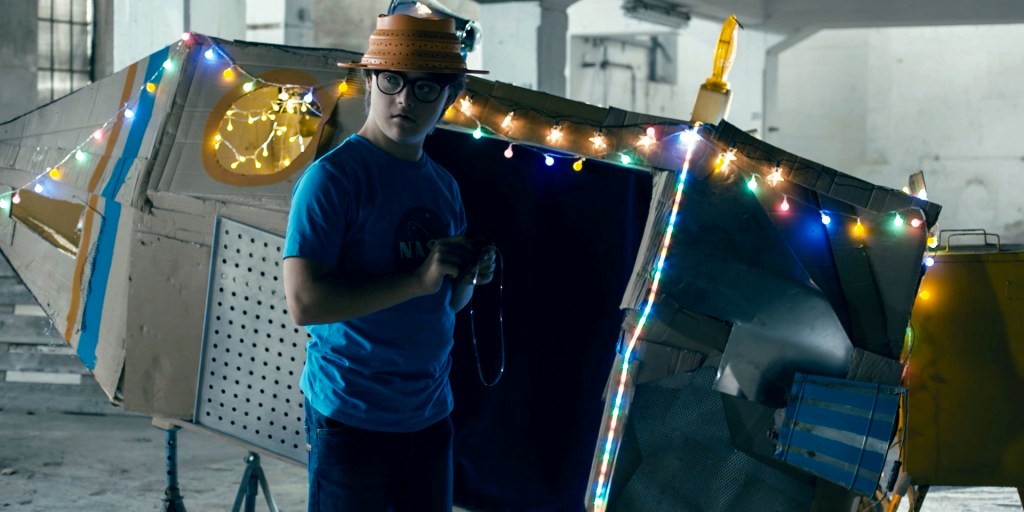
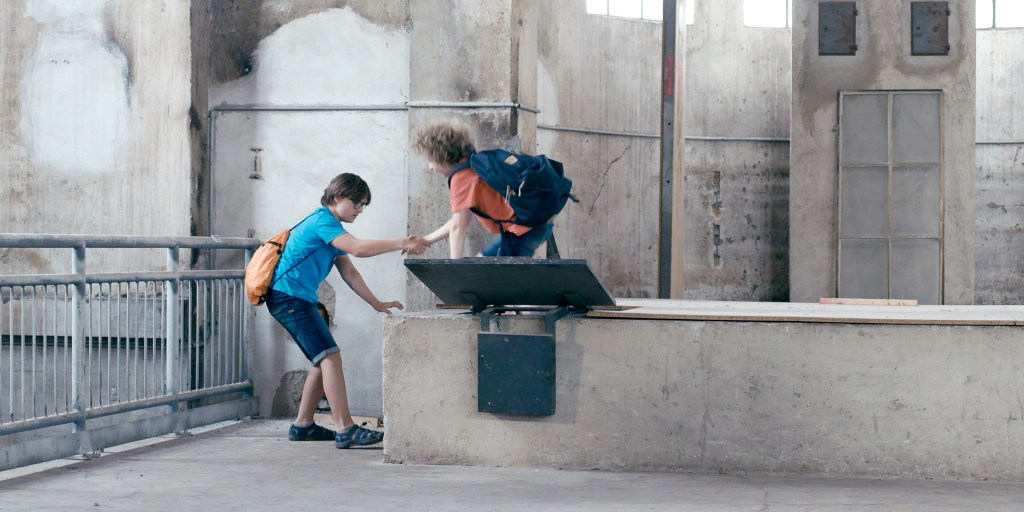
Short Film: OLE, BENNI AND THE REST OF THE UNIVERSE, 23min., Germany, Drama/Family

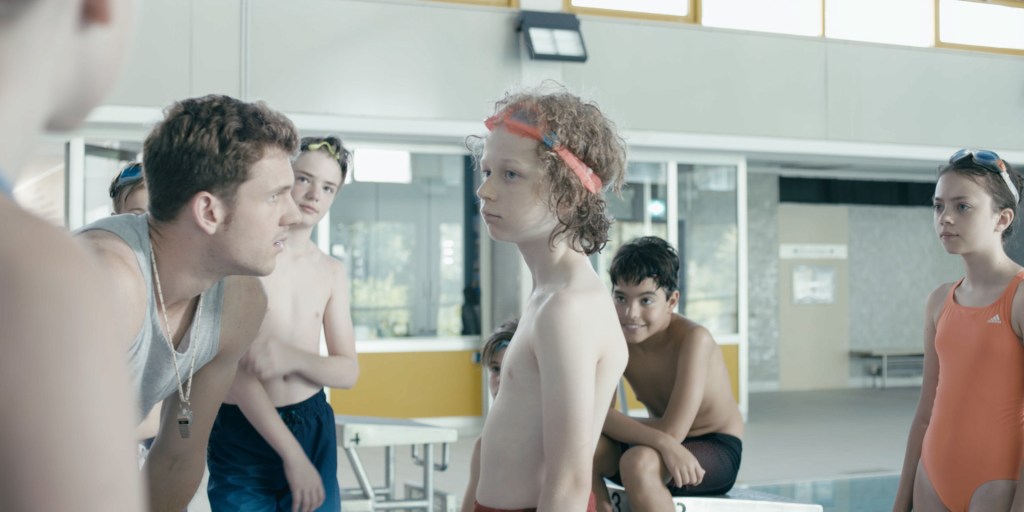
Oles Freund Benni hat das Down-Syndrom. Doch das hat Ole nie gestört. Bis die große Schwimmfreizeit bevorsteht und die anderen Kinder im Verein nicht wollen, dass Benni mitkommt. Denn jetzt muss Ole sich für eine Seite entscheiden und lernen, zu sich und seinem Freund zu stehen. Dass Ole zum ersten Mal verliebt ist, macht die Sache auch nicht leichter…
That his friend Benni has the Down syndrome, Ole (11) has never disturbed so far. But now – on the threshold of childhood to youth – their friendship is changing. Ole is in love for the first time and suddenly it’s no longer easy to stand by his friend …
Director Biography – Samantha Farrell (MORGEN)
Short Film: MORGEN, 10min, USA, Documentary/Family

A documentary short in which director Samantha Farrell explores her family’s past and present, reflecting on her older sister, Morgen’s, struggle with mental illness.

Director Biography – Renee J. Vaca (LAST LOOKS)
When you look at me, you don’t see bi-racial. Yet, in my lifetime, my parents were not allowed to buy a home outside of Santa Ana, the deemed location where minorities were permitted to purchase property and raise families in Orange County, CA. You can’t tell I’m gay per say, based on whatever society’s version of what a Lesbian is supposed to look like, act like, and be. Who knew 40 was now a protected demographic? Well, I hit that and I don’t look or feel it. Being female is the only box people will put me in when they meet me, even though my dimensions are much deeper and brighter than what they see. I am a woman. A proud woman raised by 2 parents whom defied societal norms and instilled a sense of power within me and an understanding that just because that door is closed now doesn’t mean it can’t be opened later.
Director Statement
My long and varied career in the industry has not only afforded me many unique opportunities and experiences, it’s also given me the skills and confidence needed to be an effective leader, communicate effectively and make timely decisions. I approach each project with an unrelenting passion and energy. Surrounding myself with likeminded people, I enjoy collaborating and crafting a clear artistic/creative vision, culminating in a work that inspires and motivates everyone involved.
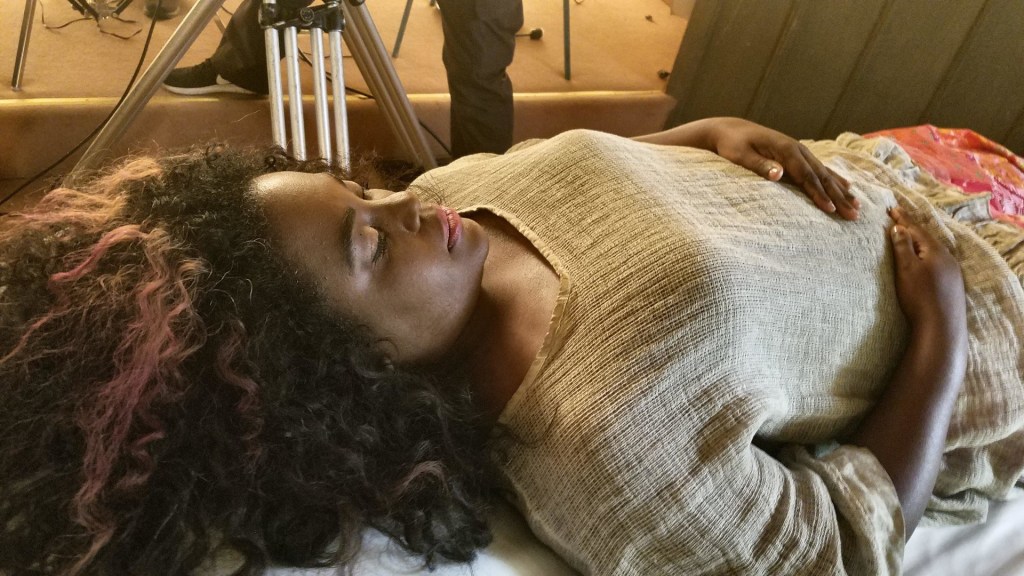
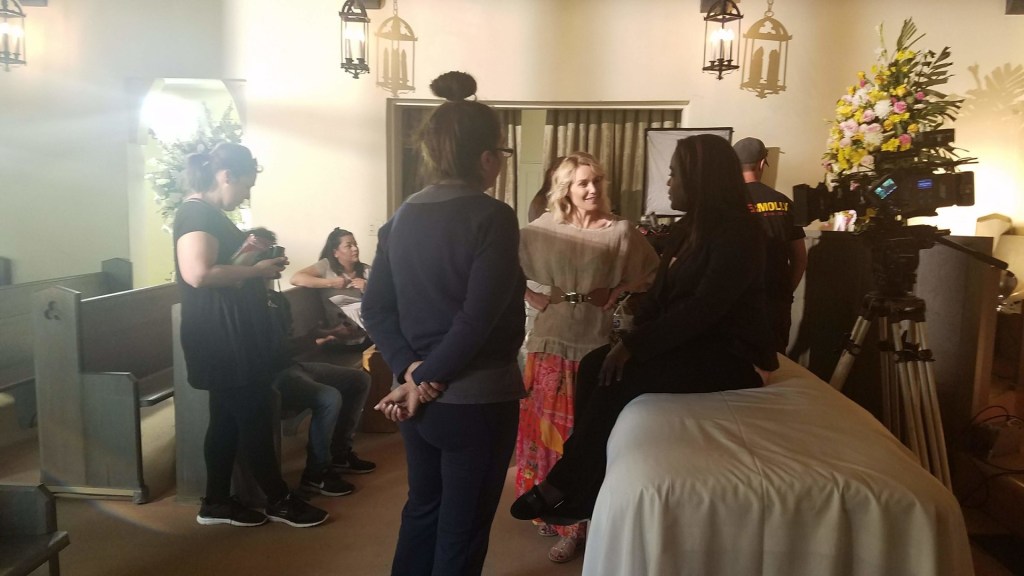
Short Film: LAST LOOKS, 6min, USA, Drama

Based on a true story…
When a death occurs suddenly and the family doesn’t respect the deceased final wishes, a friend takes measures into her own hands. The situation is dealt with by showing a whole new meaning to the term friendship, loss, and defiance.